Understanding The Dental Implant Process In Monroe, LA: From Tooth Extraction To Restoration
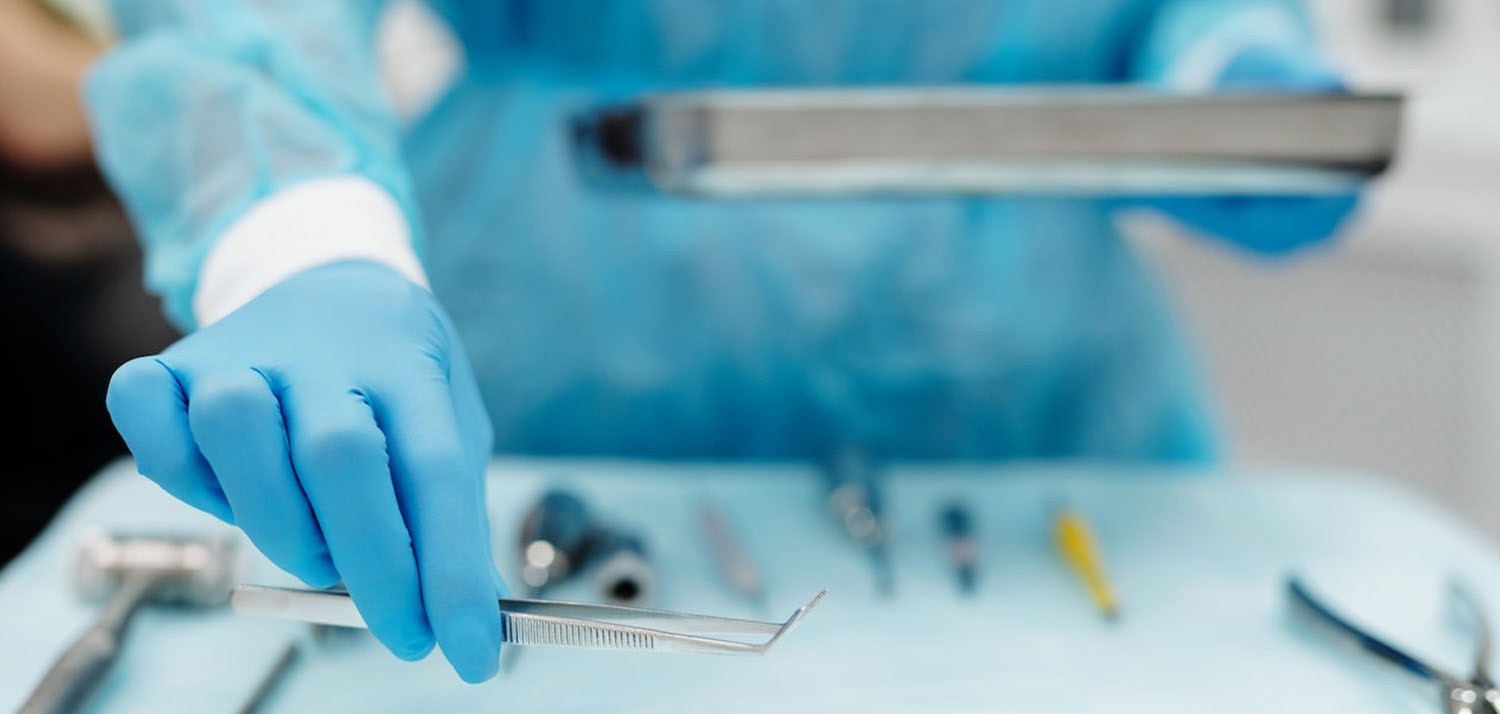
Monroe residents seeking a seamless dental implant process can rely on the expertise of a skilled dental implant dentist. From tooth extraction to restoration, this intricate procedure requires meticulous planning and execution. This comprehensive article aims to provide an in-depth understanding of each step involved. By delving into topics such as finding the right dentist, preparing for tooth extraction, the implant placement procedure, the healing process, and restoring your smile, readers can gain valuable insights into this transformative dental solution.
Finding The Right Dental Implants Dentist
The process of finding the right dental implant dentist involves researching and evaluating the qualifications, experience, and reputation of potential practitioners.
When choosing the best dentist for dental implants, it is crucial to consider their expertise in implant placement and restoration. Look for a dentist who has undergone specialized training in implant dentistry and has a significant amount of experience performing successful implant procedures.
Cost considerations are also important when selecting a dental implant dentist. It is essential to inquire about the total cost of the procedure, including any additional treatments or materials that may be required. Some dentists may offer financing options or accept dental insurance plans, which can help alleviate financial concerns.
Recovery tips are another aspect to consider when searching for a dental implant dentist. A reputable practitioner will provide thorough post-operative instructions and support during the healing process. They should offer guidance on proper oral hygiene practices, diet restrictions, and pain management techniques.
To find the most suitable dental implant dentist, it is recommended to seek recommendations from trusted sources such as friends, family members, or general dentists who can provide referrals. Additionally, online reviews and testimonials can provide insights into other patients' experiences with different dentists in the area.
By considering qualifications, costs, and recovery tips when researching potential practitioners, individuals can make an informed decision regarding their choice of dental implant dentist.
Preparing For Tooth Extraction
Prior to a tooth extraction, it is necessary to prepare the patient for the upcoming procedure. The preparation involves informing the patient about the recovery process, pain management, and aftercare instructions.
Understanding what to expect during the recovery process is crucial for patients undergoing tooth extraction. It typically takes a few days to a week for the initial healing of the extraction site, but complete healing may take several weeks.
Pain management plays a significant role in ensuring patient comfort during and after tooth extraction. Dentists often prescribe pain medications or recommend over-the-counter options to help alleviate any discomfort following the procedure. Additionally, dentists may administer local anesthesia during the extraction process to minimize pain during the actual procedure.
Aftercare instructions are provided by dental professionals to aid in proper healing and prevent complications. These instructions typically include guidelines on oral hygiene practices such as avoiding vigorous brushing around the extraction site and refraining from smoking or consuming hot foods and beverages that can hinder healing. Patients are also advised to follow a soft diet initially and gradually reintroduce solid foods as tolerated.
By adequately preparing patients for tooth extractions through education on the recovery process, pain management techniques, and aftercare instructions, dental professionals ensure optimal outcomes for their patient's oral health.
The Implant Placement Procedure
During the implant placement procedure, a titanium post is surgically inserted into the jawbone to serve as an anchor for the replacement tooth. This is typically done under local anesthesia to ensure patient comfort. The first step involves making an incision in the gum tissue to expose the underlying bone. A hole is then drilled into the bone, and the titanium post is carefully placed into it. The gum tissue is sutured back together, allowing for proper healing.
After the implant placement procedure, it is crucial for patients to follow proper implant maintenance protocols. Regular brushing and flossing are essential to maintain oral hygiene and prevent any complications. Additionally, routine dental visits should be scheduled so that a dental professional can monitor the health of the implant.
While dental implants have a high success rate, potential complications can arise during or after the procedure. These may include infection at the surgical site, damage to surrounding teeth or nerves, or implant failure. Patients should be aware of these risks and discuss them with their dentist before undergoing treatment.
Post-operative care plays a vital role in ensuring successful healing and osseointegration of the implant. It usually involves following specific instructions provided by the dentist, which may include avoiding certain foods that could put stress on the implant site and taking prescribed medications such as antibiotics or pain relievers.
Understanding and adhering to proper implant maintenance protocols and post-operative care instructions are essential for achieving long-term success with dental implants.
The Healing And Osseointegration Process
Successful healing and osseointegration of dental implants is a crucial process that must occur after the implant placement procedure. The healing process begins immediately after the surgery, with the formation of a blood clot around the implant site. This blood clot serves as a protective barrier and promotes wound healing. Over time, new bone cells start to develop around the implant, gradually integrating it into the jawbone.
Bone integration, also known as osseointegration, is a vital step in determining dental implant success. It involves the direct contact between living bone tissue and the implant surface. During this process, osteoblasts – specialized cells responsible for bone formation – attach themselves to the implant's surface and begin to generate new bone tissue. Over several months, this newly formed bone fuses with the implant, providing stability and support.
To ensure successful healing and osseointegration, patients are advised to follow post-operative care instructions provided by their dental implant dentist carefully. This may include maintaining good oral hygiene practices such as brushing gently around the surgical area, avoiding hard or chewy foods that could disrupt healing, and attending regular follow-up appointments to monitor progress.
Successful healing and osseointegration are vital for dental implant success. The body's natural healing processes play a significant role in integrating implants with surrounding bone tissue. Proper post-operative care is essential to facilitate this process effectively.
Restoring Your Smile: The Final Step
The final step in the dental implant treatment process involves restoring the patient's smile. After the healing and osseointegration process, where the dental implant fuses with the jawbone, it is time to place a custom-made crown onto the implant. This crown serves as a replacement tooth, both aesthetically and functionally.
One important consideration for patients is the cost of dental implants. While they may initially seem more expensive than other tooth replacement options, such as bridges or dentures, dental implants offer long-term benefits that can outweigh their upfront cost. Dental implants are designed to be durable and can last a lifetime with proper care. They also promote oral health by preventing bone loss in the jaw and maintaining facial structure.
Post-implant care is crucial for ensuring successful outcomes. Patients should maintain good oral hygiene practices, including regular brushing and flossing, as well as visiting their dentist for routine check-ups. Dentists may also recommend avoiding certain foods or habits that could potentially damage the implant restoration.
Restoring a patient's smile through dental implants, not only enhances the aesthetic appeal of your smile but also restores your confidence and self-esteem. By choosing to undergo this treatment, you are investing in a long-term solution for your oral health, as dental implants are known for their durability and longevity. For more information, you can search "dental implants dentist near me" online.
Contact A Dentist In Monroe, LA
If you are in Monroe, LA, and are in need of dental implants, it is essential to find a reliable and experienced dentist who can provide you with the best care possible. One such dental practice that you can trust for your dental implant needs is Apple Dental.
Apple Dental is a renowned dental clinic located in Monroe, LA, offering a wide range of dental services, including dental implants. With their team of highly skilled and experienced dentists, they are dedicated to providing their patients with exceptional dental care in a warm and friendly environment.
When it comes to dental implants, Apple Dental understands the importance of restoring your smile and improving your oral health. Dental implants are a long-term solution for replacing missing teeth, providing a strong foundation for replacement teeth that look, feel, and function like natural teeth.
If you are in Monroe, LA, and require dental implants, look no further than Apple Dental. Their team of skilled dentists and their commitment to exceptional patient care make them the ideal choice for your dental implant needs. Contact Apple Dental today to schedule a consultation and take the first step towards restoring your smile and oral health.
© 2023 | Understanding The Dental Implant Process In Monroe, LA: From Tooth Extraction To Restoration | All Rights Reserved.